

The Book Connection
Building bridges through books

by Carolyn Clare Givens
I raised my hand at the end of a session at a conference over a dozen years ago. The speaker, Pete Peterson, had shared about the value of stories that “plant a signpost on the final page that says, ‘The story goes on…that way.’” Then he asked us to recommend stories we know that do that. I raised my hand, because somehow, after nearly a thousand pages of epic storytelling, M.M. Kaye manages to finish The Far Pavilions with exactly that feeling—the characters you love have been through so much, but the end of that novel is only the beginning of their story.
After the session, a woman I’d never met came up to me. “I love The Far Pavilions!” she exclaimed. “I’ve never met anyone else who knows it!” I met a stranger that day, and a shared love of a book built a bridge between us.
A few weeks ago at another conference I joined a conversation where a woman was mentioning Theo of Golden. I’d just finished it and expressed how much I’d enjoyed it. “I just couldn’t get into it,” the woman said. “Maybe I’m too cynical, but it seemed so unreal.” I understood her concern but encouraged her to give it another try. The repeated acts of kindness in the story gently sand away your cynicism in preparation for the novel’s climax. I don’t know if she’ll give it another try, but our shared interest in the novel bridged to other topics, and we had a lovely conversation.
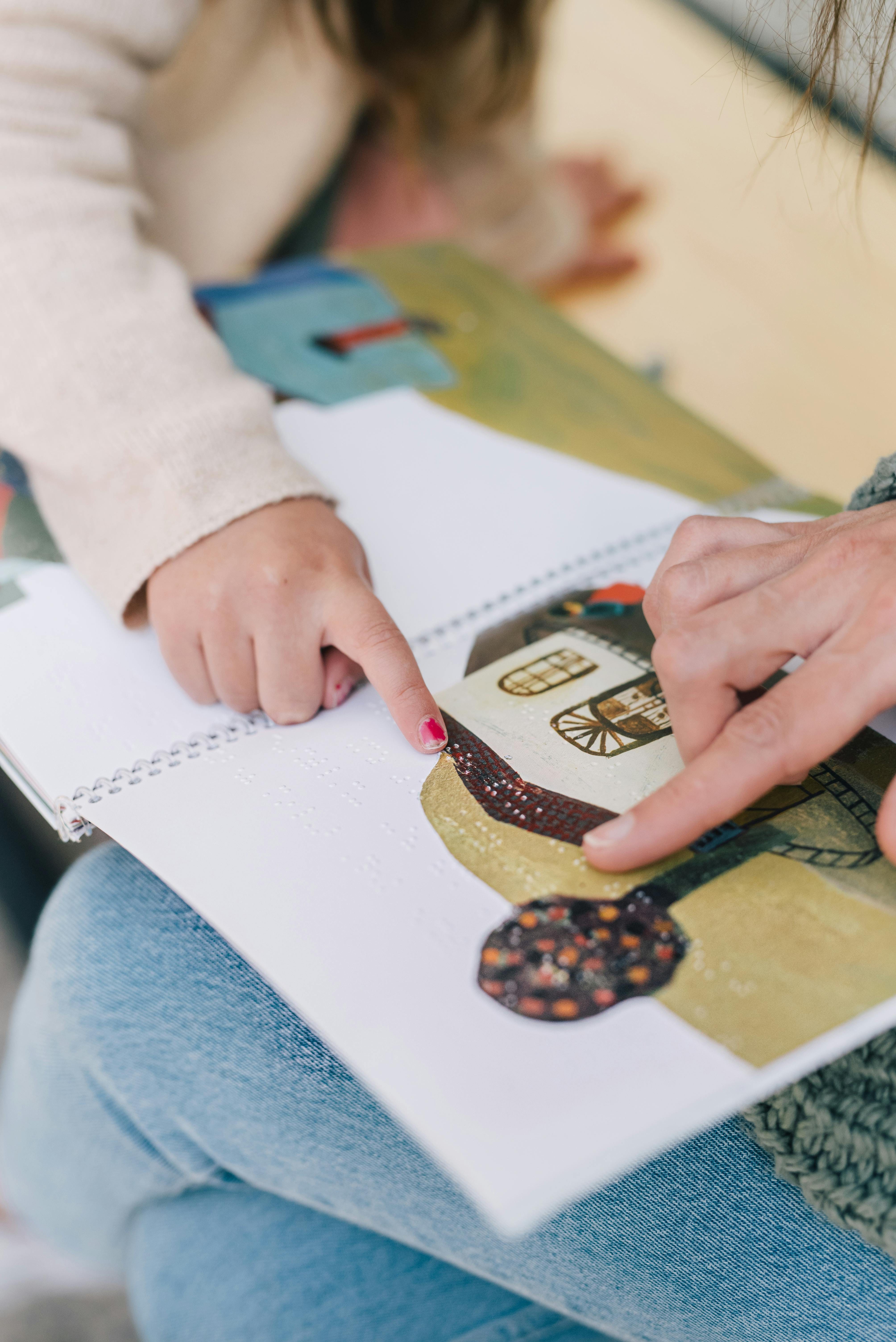
At that same conference, HopeWords, Alexandra Davis spoke about picture books and the ways that they prepare children for the very important tasks necessary for the work of growing up. Picture books help children discover what is real and what is pretend, she said, and they help children learn how to manage feelings. But a small child can’t read yet, so the book cannot do this work on them by itself. Instead, it needs a bridge—the adult—to help the child over the gap to the book. Think of the size of most picture books, Alexandra noted, the physical object lends itself to being shared by two people, the adult and the child. Picture books are meant to build bridges.
In our recent episode of The Banderpod, I asked Melissa Woodruff about her reading. Melissa is an avid reader, and shared about the ways that books helped her move toward stability during seasons of her life when she experienced intense anxiety. One of my favorite parts of our friendship has been the sharing of books. I have watched Melissa use a book recommendation to help her get to know a person: she read Jane Eyre at my recommendation, didn’t like it, asked me why I loved it, and before I had a chance to get my answer together, thought to herself, “If Carrie calls this her favorite novel, I need to give it another try,” and began re-reading. She understood my perspective more on her second read-through. It’s still not her favorite novel (and it doesn’t have to be!), but she understands my love of it now, and chose to explore the book as a bridge between us.
Books can provide the, “What, you, too?” moment when Lewis says a friendship is born. They can bridge gaps between children and parents (or caregivers). Books can take us on journeys far beyond our borders, introducing us to cultures and places we may never go.
In a world that seems to be constantly finding new divisions, books can bring connection over conflict. Perhaps we should listen to Doctor Who, who called books the best weapons in the world. Arm yourself—and build a bridge with a book.

May 16, 2026 - Bandersnatch at World of Books in Rock Hill, South Carolina
Summer 2026 - Release of Seichō Summer by Bethany Faulk
Summer 2026 - Release of Loved Not Wisely by Katherine Ladny Mitchell

We can’t wait to share Seichō Summer with you! Bethany Faulk’s coming-of-age novel follows Sarah Jones’ summer in Japan in 1998. Check out the cover reveal above!
Also please follow Bandersnatch Books on Instagram or Facebook!

"A reader lives a thousand lives before he dies. The man who never reads lives only one.”
–George R.R. Martin

 |
|
Love the examples you use of the ways books have been bridges in your life. They help me see a few bookish bridges in mine too!